 Air, Climate and Energy Planning and Related Environmental Assessment
Understanding the environmental implications of plans and programmes
Strategic Environmental Assessment (SEA) is an essential tool for integrating environmental aspects into the decision-making processes of Public Administrations, ensuring that each plan or programme is developed with full awareness of its environmental implications and promoting responsible management of territory and resources.
TerrAria provides multidisciplinary expertise for all phases of Strategic Environmental Assessment: from defining the methodological approach to building the knowledge base, from identifying relevant critical issues to assessing alternative scenarios, through to drafting the Environmental Report and managing the participatory process.
The Environmental Report is the core document that analyses the environmental effects of the plan or programme, assesses alternatives, identifies mitigation measures and defines the monitoring system, ensuring informed decisions consistent with environmental sustainability objectives.
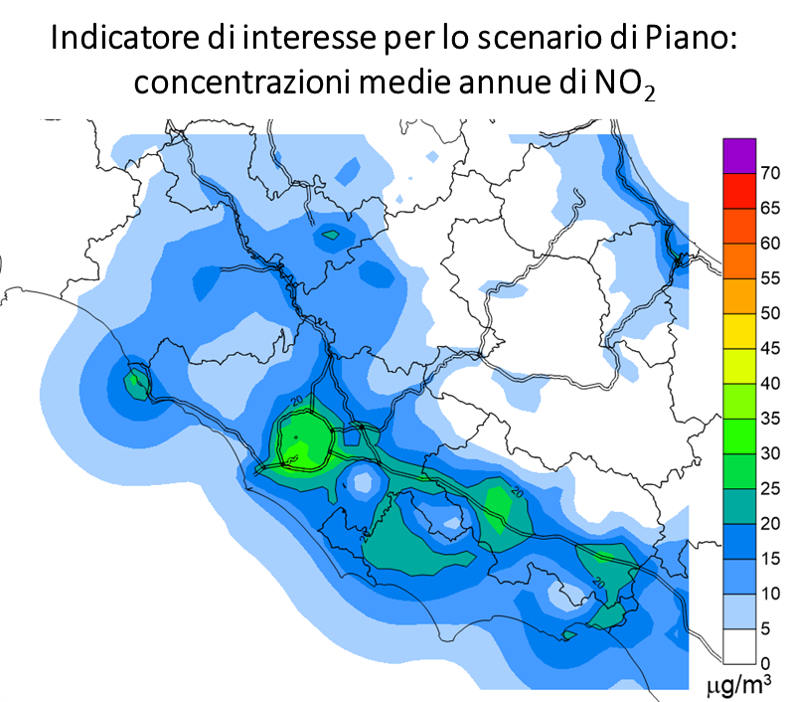
A key role is played by environmental indicators, which are fundamental for providing a measurable description of the state of the environment and monitoring the evolution of territorial transformations. Environmental indicators are calibrated to the local context and the objectives of the plan, ensuring an information system that is consistent, verifiable and useful for objectively assessing different alternatives. Through advanced analytical tools, TerrAria supports public bodies in defining reliable environmental indicators that are comparable over time and closely linked to the environmental implications of plans.
The analysis of environmental implications links plan objectives with the physical, ecological and socio-economic characteristics of the territory, identifying potential effects on air, water, soil, biodiversity, climate and landscape. This makes it possible to highlight critical issues, define appropriate mitigation measures and propose environmental sustainability-oriented solutions. SEA thus becomes a tool for improving the plan and strengthening its internal consistency.
A further key element concerns the definition of monitoring measures, which are necessary to verify over time the effectiveness of actions and to update environmental indicators based on actual outcomes. SEA therefore takes on a dynamic character, based on a continuous process of assessing the environmental implications arising from plan implementation.
Within the scope of SEA, the Appropriate Assessment (AA) supplements the assessment process if potential interference with protected habitats and species emerges, requiring a specific impact study in accordance with current regulations.
The Appropriate Assessment is the procedure provided for by the Habitats Directive 92/43/EEC aimed at verifying the effects of plans and programmes on Natura 2000 sites, through the preparation of an impact study and the related impact assessment.
The service is completed by support for participatory moments, engagement with the competent environmental authorities and assistance during the adoption and approval phases, ensuring a transparent, structured process consistent with the principles of Strategic Environmental Assessment.